

By

(no title)

DOC will encourage Kiwis to get out and enjoy local campsites, scenic reserves, wetlands, forests and walking tracks and many other natural attractions.

Conservation Week, which runs from tomorrow till November 9, will highlight “treasures on the back doorstep”.

DOC will encourage Kiwis to get out and enjoy local campsites, scenic reserves, wetlands, forests and walking tracks and many other natural attractions.

DOC partnership ranger at Rotorua Caraline Abbott says people will be encouraged to visit places near them which they haven’t visited for a while, or perhaps never dreamt existed.

For example, key events in our area include a geocaching at Okere Falls, Ngongotaha Nature Loop and Kaharoa Kokako Track. This modern day version of hide and seek, uses GPS-enabled devices to find containers known as caches, which have a logbook to record your visit.

“All you need is a smart phone to download a free geocaching app.”

Rotorua Residents are also being asked to complete the Jubilee Track on Mount Ngongotaha from the bottom to the Mountain Road intersection, a promotion with prizes provided, she says.

Other campaign events include a walk on the Tarawera Trail led by the Rotorua Tramping and Skiing Club, kiwi aversion training for dogs, and conservation themed pub quizzes.

“Nationwide, activities will showcase special species, feature people and groups involved with a local treasure, provide historical and cultural information and provide details of how you can assist conservation in your own back yard.”

The New Zealand Scout Association originally kicked off Conservation Week for New Zealand in 1969. DoC took it over in 1987 and has since worked with many community groups, businesses, councils and agencies to expand activities.

Well known artists including Friedensreich Hundertwasser and Don Binney have contributed work for previous campaigns.

For what is going on in your area, visit doc.govt.nz – Conservation Week 2014.
NZ Herald

By

E-waste fast becoming global blight

Grim study reveals demand for new products results in huge dumping of electronic equipment
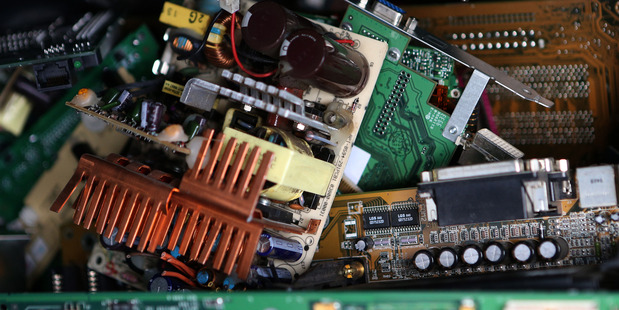
Electronic scrap creates a significant recycling problem world-wide. Photo / AP

Grim study reveals demand for new products results in huge dumping of electronic equipment

They are on our person, in our homes and in our workplaces, many of them harbouring heavy metals and toxic materials which are dangerous to people and the environment unless they are properly recycled.

Yet the soaring international demand for electric and electronic products is fuelling a global rise in e-waste, which is set to reach 65.4 million tonnes annually by 2017.

The grim forecast is from a new study, which has mapped more than 180 countries. It reveals that, in just five years, the yearly amount of e-waste will rise by 33 per cent from the 49 million tonnes of used electrical and electronic items generated last year.

Worldwide, the US is the worst offender with 9.4 million tonnes of e-waste each year, with around 26,500 tonnes being sent to poorer countries each year.

Mobile phones form the bulk of the 14 million used electronic products exported with most used phones destined for Hong Kong, and countries in Latin America and the Caribbean. Old computers are generally sent to Asian countries, while heavy items like TVs and computer monitors end up in places such as Mexico, Venezuela, Paraguay and China.

Another contributor to the global e-waste mountain is China, producing around 7.3 million tonnes a year and ranked second in the world after the US for its volume of e-waste.

Britain is another major contributor, ranking sixth in the world in terms of the total amount – creating around 1.4m tonnes of waste a year.

From unwanted flat-screen TVs to mobile phones, from fridges to microwaves, the UK is the worst offender in the EU.

A new report by Wrap (Waste & Resources Action Plan), an independent body created by the British Government to promote recycling, reveals that hundreds of thousands of tonnes of e-waste are being dumped in landfills across the country.

Wrap is now working with a number of leading retailers and manufacturers to develop a Sustainable Electricals Action Plan. This aims to improve the sustainability of electrical products by developing industry standard guidance on design and buying specifications for major household appliances aimed at extending their life.